
Cigar Types: A Complete Guide to Shapes, Sizes, Wrappers, and Styles
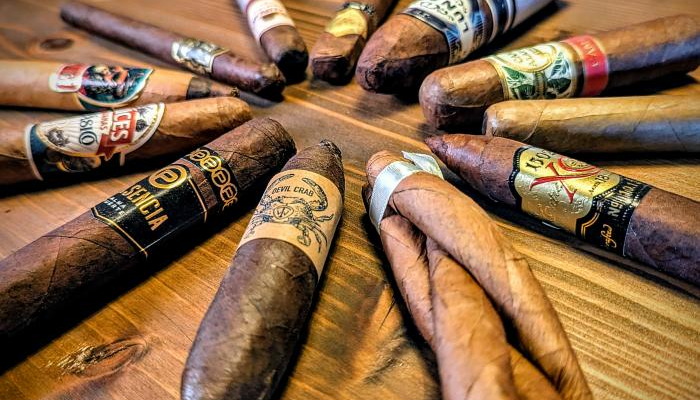
Walk into a cigar shop and the sheer variety can be surprising. Cigars come in different shapes, sizes, colors, constructions, and blends, and those differences can affect how a cigar looks, burns, and tastes.
Understanding cigar types makes it easier to read a cigar label, compare different options, and know what to expect before choosing one. The terms can also be confusing at first: vitola, wrapper, binder, filler, parejo, and figurados all describe different aspects of a cigar.
This guide breaks down the main cigar types in straightforward terms. We’ll look at cigar shapes and sizes, construction, wrapper leaves, strength, popular formats, and the factors that can help you decide which style may be worth exploring.
The Main Cigar Types by Shape
One of the easiest ways to classify cigar types is by their physical shape. Most cigars fall into two broad categories: parejos and figurados.
A parejo is a cigar with straight, mostly parallel sides and a rounded or flat head. The classic corona, robusto, and toro are examples. Because their shape is relatively consistent, parejos are often the first formats people encounter.
A figurado has a more distinctive shape. Its body may taper, bulge, or narrow at one or both ends. Torpedoes, pyramids, perfectos, and belicosos are examples of figurado formats.
Shape is more than a visual detail. A tapered head can concentrate smoke and flavors differently from a straight-sided cigar. The amount of tobacco and the way it is packed can also influence the draw and smoking time.
It’s worth remembering that shape alone does not determine quality or strength. Two cigars with similar dimensions can taste completely different because their tobacco blends and construction are different.
Understanding Cigar Sizes and Vitolas
When people talk about cigar size, they generally mean two measurements: length and ring gauge.
Length is usually given in inches. Ring gauge describes the cigar’s diameter and is measured in 64ths of an inch. For example, a 50 ring gauge cigar is approximately 50/64 of an inch in diameter.
Common cigar sizes include:
- Petit Corona: A relatively short format designed for a shorter smoking session.
- Robusto: A shorter, thicker cigar that is widely available and often offers a substantial smoking experience without the length of a larger format.
- Corona: A classic, relatively slender format that balances length and diameter.
- Toro: A larger format, commonly longer and thicker than a corona.
- Churchill: A long, relatively slender cigar named after the British statesman Winston Churchill, who was famously associated with cigars.
- Double Corona: A particularly long format intended for a considerably longer smoking session.
The same size name can vary somewhat between manufacturers, so these labels should be treated as general format descriptions rather than exact industry-wide measurements.
Size can influence the experience, but bigger does not automatically mean stronger. A large cigar made with milder tobacco can be less intense than a smaller cigar made with stronger tobacco.
The Three Parts That Make Up a Cigar
A traditional premium cigar is generally made from three types of tobacco leaves: the filler, binder, and wrapper.
The filler forms the interior of the cigar. It can contain different tobacco leaves, sometimes from different parts of a plant or different growing regions. The blend of filler tobaccos is an important part of a cigar’s overall character.
The binder holds the filler together and provides a foundation for the wrapper. It needs to be strong enough to keep the cigar properly assembled while still contributing to the way it burns.
The wrapper is the outermost tobacco leaf. Because it is visible, it has a major influence on the cigar’s appearance. It can also contribute flavor and aroma to the blend.
These components work together rather than functioning independently. A cigar’s character comes from the combination of its tobacco varieties, fermentation, aging, blending, rolling, and construction.
This is why judging a cigar solely by the color of its wrapper can be misleading. A dark wrapper does not automatically mean a strong cigar, just as a light wrapper does not necessarily mean a mild one.
Cigar Types by Wrapper Color and Tobacco Style
Cigar wrappers range from very light tan shades to deep brown and nearly black. You may encounter terms such as Connecticut Shade, Habano, Maduro, and Oscuro when comparing cigars.
Connecticut Shade wrappers are generally light in color and are traditionally associated with a smoother, more delicate profile, although the complete blend determines the final character.
Habano is a broader style designation associated with tobacco varieties and wrapper production. Habano-style wrappers can vary considerably in color and flavor depending on their origin and processing.
Maduro refers to a darker wrapper that has undergone additional fermentation or processing. Maduro cigars are often associated with richer, sweeter, or earthier flavor profiles, but the term itself does not guarantee a particular strength.
Oscuro generally refers to a very dark wrapper. As with Maduro, the appearance provides clues about the leaf and processing but cannot tell you exactly how a finished cigar will taste.
When comparing wrappers, consider color as one piece of information rather than a complete guide. The blend inside the cigar, the origin of the tobacco, fermentation, aging, and construction all matter.
Popular Cigar Formats and What Makes Them Different
Certain cigar types have become especially recognizable because of their traditional formats.
A Robusto is compact but relatively thick. It can be a practical choice when you want the characteristics of a larger-format cigar without committing to a long smoking session.
A Toro provides more length and tobacco than a typical robusto. Its larger size can give blenders more room to combine different tobaccos and create a gradual progression of flavors.
A Churchill is long and comparatively slender. It is often chosen when someone wants a leisurely smoking session and enough time to experience how a blend develops.
A Torpedo has a tapered head. The narrower end can concentrate smoke toward the palate and gives the cigar its distinctive appearance.
A Perfecto is tapered at both ends and can have a bulbous center. Its unusual construction makes it one of the more visually distinctive figurado styles.
A Pyramid gradually tapers toward the head, creating another distinctive figurado shape.
There is no universally “best” format. The right choice depends on how much time you have, the size you enjoy, the blend you want to try, and how comfortable you are with different shapes.
How Strength, Flavor, and Construction Affect Cigar Types
Cigar strength and cigar flavor are related, but they are not the same thing.
Strength generally describes the intensity of the tobacco experience. Cigars are often informally described as mild, medium, or full-bodied.
Flavor refers to the characteristics you perceive while smoking. Depending on the tobacco and blend, descriptions may include earthy, woody, peppery, creamy, nutty, sweet, or spicy.
A mild cigar can have complex flavors, while a stronger cigar can have a relatively straightforward flavor profile. Similarly, a large cigar is not necessarily stronger than a small one.
Construction also matters. A well-constructed cigar should generally have a consistent wrapper, an appropriate draw, and an even burn. Poor construction can make any blend less enjoyable, regardless of its ingredients.
For someone exploring different cigar types, changing one variable at a time can make comparisons easier. For example, you might try two cigars with similar sizes but different wrappers, or compare two cigars from the same brand in different formats.
That approach helps you identify whether you prefer a particular size, wrapper style, tobacco blend, or overall strength.
How to Choose the Right Cigar Type for You
If you’re new to cigars, you do not need to memorize every vitola or tobacco term before making a choice. Start with a few practical questions.
How much time do you have? A shorter format may make more sense for a limited smoking session, while a longer cigar requires more time.
Do you prefer mild, medium, or full-bodied cigars? If you’re unfamiliar with cigar strength, starting with a milder or medium-bodied option can make it easier to explore different flavors.
What shape feels comfortable? A traditional parejo is straightforward, while a figurado offers a different physical shape and smoking experience.
Are you interested in a particular wrapper? Wrapper color and style can help narrow your choices, but remember that the entire blend determines the finished cigar.
Do you want to compare styles? Instead of buying several cigars that are nearly identical, try different formats or blends. This can give you a better understanding of what you actually prefer.
A cigar shop’s knowledgeable staff can also be useful. If you describe the size, strength, and flavor profile you enjoy, they can often point you toward comparable options.
If you are of legal age to purchase tobacco products, the simplest approach is to treat cigar selection as a process of discovering your own preferences rather than searching for one objectively “best” cigar.
Conclusion
Understanding cigar types becomes much easier once you separate the major categories. Shape and size describe the cigar’s format, while the filler, binder, and wrapper explain its basic construction. Wrapper style, tobacco blend, strength, and manufacturing also contribute to the final smoking experience.
The important takeaway is that no single feature tells the whole story. A dark wrapper is not automatically strong, a larger cigar is not necessarily more intense, and an expensive or popular format is not guaranteed to suit every smoker.
If you’re exploring cigars, start with the basics: choose a format that fits the time you have, consider the strength and flavor profile you prefer, and gradually compare different blends and shapes. Over time, these distinctions make cigar menus and shop selections much easier to understand.
FAQs
What are the main types of cigars?
The main cigar types can be classified by shape, size, construction, wrapper, and tobacco blend. Common formats include robustos, coronas, toros, Churchills, torpedoes, and perfectos.
What is the difference between a parejo and a figurado cigar?
A parejo has mostly straight, parallel sides, while a figurado has a distinctive tapered, rounded, or irregular shape. Robustos and coronas are examples of parejos, while torpedoes and perfectos are figurados.
Does a larger cigar mean a stronger cigar?
No. Cigar size does not determine strength by itself. Strength depends largely on the tobacco varieties and blend. A large cigar can be mild, while a smaller cigar can be quite strong.
What is a cigar’s ring gauge?
Ring gauge is a measurement of a cigar’s diameter expressed in 64ths of an inch. A 50 ring gauge cigar, for example, is approximately 50/64 of an inch in diameter.
What is the difference between Maduro and lighter wrappers?
Maduro is a darker wrapper style associated with additional fermentation or processing. Lighter wrappers can come from different tobacco varieties and growing methods. Wrapper color alone does not determine a cigar’s strength or flavor.
Which cigar type is best for beginners?
There is no single best cigar for every beginner. A mild or medium-bodied cigar in a comfortable, moderate-sized format can be a straightforward starting point, especially when you’re learning what flavors and strengths you prefer.
What should I consider when choosing a cigar?
Consider the amount of time you have, preferred strength, flavor profile, cigar size, shape, and wrapper style. Comparing a few different formats can help you identify which cigar types best match your preferences.